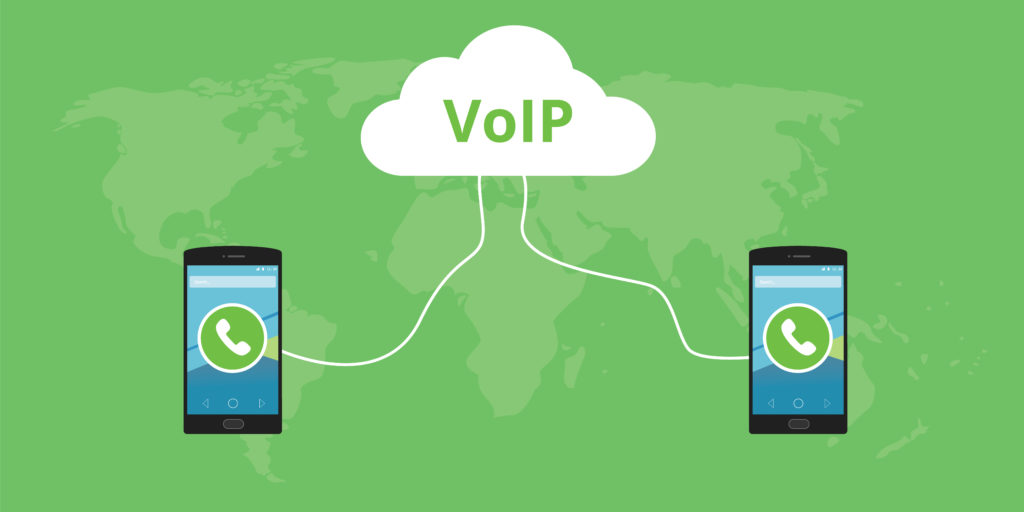
For many customers, being put on hold in a call can be annoying. Some may even get frustrated and just hang up. Instead of keeping your business’s callers waiting without anything to do, why not have them listen to useful information that keeps them engaged? With a Voice over Internet Protocol (VoIP) system, doing this is pretty simple.
Today, there’s no shortage of online communication tools for businesses to choose from, but Microsoft Teams and Google Meet are the clear winners in terms of functionality and ease of use. Choosing between the two platforms can be a challenge, as both offer a robust set of features that make business communications more efficient and convenient.
A growing number of businesses are shifting from conventional landlines to Voice over Internet Protocol (VoIP) systems. Doing so is allowing them to lower their communication costs, leverage advanced call features, and support remote work arrangements.
The holiday season is upon us, which means businesses will likely be bombarded with a wave of customer calls and inquiries. As a business owner, you need to make sure that your Voice over Internet Protocol (VoIP) systems are ready to cope with the holiday rush.
Many businesses have switched from traditional phone systems to a Voice over Internet Protocol (VoIP) system. This is because VoIP offers more benefits including cost reduction, mobility, and scalability. But just like any device that’s connected to the internet, VoIP phones can be at the receiving end of a cyberattack.
Voice over Internet Protocol (VoIP) technology is a flexible, scalable, and highly efficient communication solution that more and more modern businesses are relying on. However, a large user base makes VoIP an attractive cybercrime target, which means VoIP users face increasing risks.
A reliable, efficient, and effective telecommunications system is critical to your ability to generate and nurture leads, communicate with vendors, and provide top-notch customer service. If that system were to break down, even for just a day, you could suffer significant losses in productivity, profits, and customer trust.
Like all business components, Voice over Internet Protocol (VoIP) systems have costs of ownership, or the direct and indirect costs accrued by a certain service or product. Understanding your VoIP’s total cost of ownership will help with your tech budgeting and more.
Is your customer service department lagging in terms of quality? If so, it may be time to review the call quality of your customer service representatives. One of the best ways to do that is to use your Voice over Internet Protocol (VoIP) system’s call recording feature.
Hackers launch denial-of-service (DoS) attacks to render IT systems and networks inaccessible to intended users. Large corporations’ web servers used to be frequent targets, but nowadays, every business can become a victim. Hackers have also started launching attacks on Voice over Internet Protocol (VoIP) systems.
We use cookies to ensure that we give you the best experience on our website. Unless you've selected "Allow", our website will deactivate the cookies session by default.